


Running a casino costs anywhere from a few hundred dollars per hour for a small operation to over $150,000 per hour for a major resort like the Wynn in Las Vegas. The hourly cost to run a casino depends on its size, location, number of employees, utility usage, and the scale of amenities offered to guests. These numbers come from real financial data, including SEC filings that show multi-billion dollar annual operating budgets for large casino resorts.
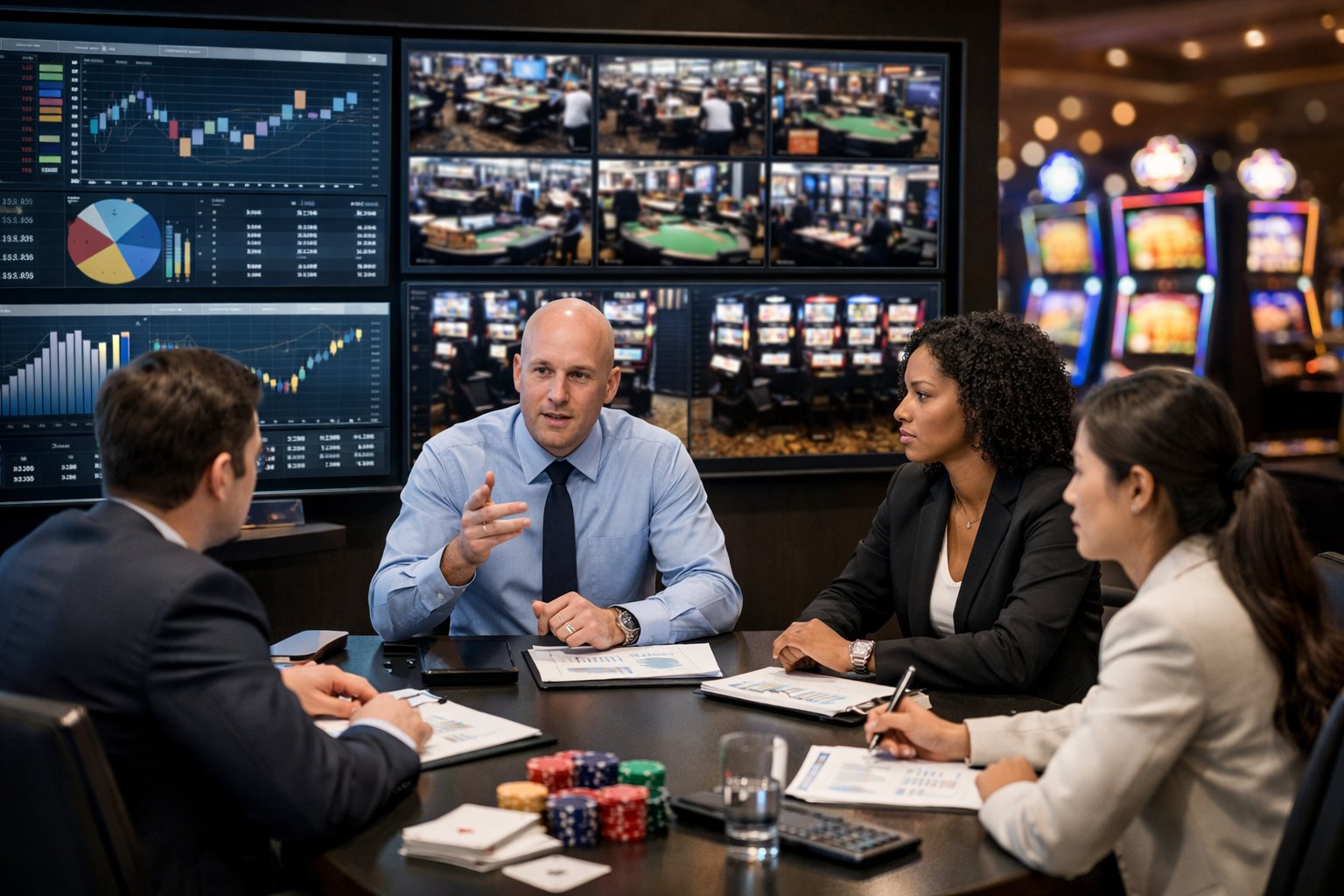
Understanding these costs helps you see why casinos work so hard to keep players gambling longer. Every hour of operation involves paying staff, maintaining equipment, covering utilities, and managing complex regulatory requirements. The expenses add up quickly, especially when you factor in security systems, food and beverage services, and marketing campaigns.
This article breaks down the specific costs that drive hourly casino operations. You’ll learn about the main expense categories, from labor and utilities to technology and compliance costs. By the end, you’ll have a clear picture of what it actually takes to keep a casino running every single hour of every day.
Factors That Affect Hourly Casino Operating Costs
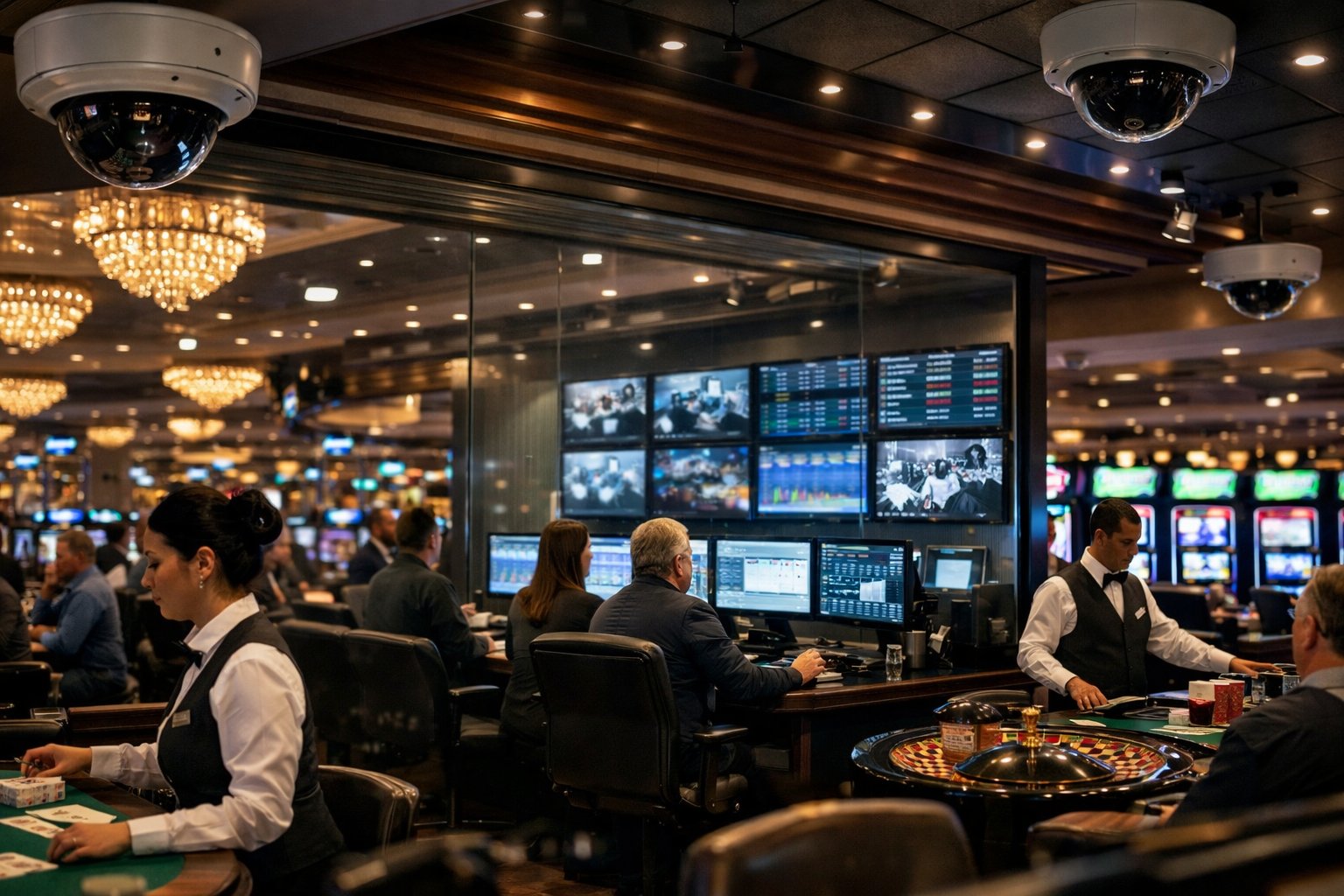
Casino operating costs per hour vary widely based on facility characteristics and external conditions. A small local gaming hall runs far leaner than a 600-room resort with multiple restaurants and entertainment venues.
Type and Size of Casino
The type and size of your casino directly determines your hourly burn rate. A luxury resort casino with 600 rooms requires roughly $1,600 per hour just for base utilities, compared to a mid-range facility that might spend $300 hourly.
Staff wages scale dramatically with property size. A large resort employs 275 full-time staff members, translating to approximately $161,000 per hour in payroll costs. A smaller standalone casino floor with 40 employees might spend $5,000 hourly on wages.
Luxury facilities incur costs 20% to 35% higher than mid-range establishments. This premium covers superior amenities like high-end restaurants, spa services, and premium gaming equipment. Your facility maintenance also grows with square footage—a 600-room property pays $250 per hour for upkeep versus $50 hourly for a compact gaming floor.
Gaming equipment expenses multiply with table count and slot machine inventory. More tables require more dealers, more floor supervisors, and higher insurance premiums.
Location and Local Regulations
Your geographic location shapes hourly costs through three main channels: property expenses, utility rates, and regulatory compliance. Property lease or mortgage payments in major metropolitan areas can reach $550 per hour, while rural locations might cost $70 hourly.
Gaming taxes represent your largest variable cost at 70% of gross gaming revenue in high-tax jurisdictions. If you generate $10,000 in gaming revenue per hour, you immediately owe $7,000 to regulatory authorities. Lower-tax states might charge 15% to 25%, dramatically improving your margin.
Regional utility rates swing your energy costs substantially. Industrial power rates vary from $0.08 to $0.18 per kilowatt-hour depending on state and provider. Climate also matters—desert locations require constant air conditioning, while moderate climates reduce HVAC loads by 30% to 40%.
Regulatory compliance adds specialized staff costs. You need compliance officers, security personnel for surveillance, and administrative staff for reporting requirements. These roles add $500 to $2,000 per hour depending on jurisdiction complexity.
Volume of Patrons and Foot Traffic
Patron volume drives your variable costs higher as activity increases. More guests mean higher utility consumption, with HVAC and lighting costs rising 50% to 100% during peak occupancy versus low-traffic periods.
Food and beverage costs scale at 60% of F&B revenue generated. If 500 patrons generate $5,000 in restaurant sales per hour, your cost of goods sold hits $3,000 for that same hour. Marketing spend typically runs at 40% of total revenue, so higher foot traffic justifies and requires proportionally larger promotional budgets.
Gaming floor supplies increase with play volume. Card decks, chips, and slot machine paper tickets are consumed faster during busy periods. Security and cleaning staff hours must flex upward when patron count doubles or triples.
| Cost Factor | Low Traffic Impact | High Traffic Impact |
|---|---|---|
| Utilities (hourly) | $200 baseline | $400+ during peaks |
| F&B COGS rate | 60% of sales | 60% of sales |
| Marketing (% of revenue) | 40% | 40% |
Core Hourly Operational Expenses
Breaking down casino operating costs to an hourly rate reveals where the money flows every 60 minutes. Staff wages typically dominate at 40-50% of hourly costs, while utilities, equipment upkeep, and insurance combine to form the remaining operational burden.
Payroll and Staff Salaries
Your largest hourly expense is payroll. A mid-sized casino employs 275 full-time workers across gaming floors, hospitality, and food service. If monthly wages total $116 million, you’re spending roughly $161,111 per hour on staff salaries alone (assuming 24/7 operations across 720 hours monthly).
This figure includes base wages for dealers, pit bosses, security personnel, housekeeping, and management. Payroll taxes add another 10-15% on top of gross wages. Benefits like health insurance and retirement contributions push the true labor cost even higher.
You need high staffing ratios because gaming floors require constant supervision. Table games demand one dealer per table during operating hours. Slot machine areas need attendants for payouts and technical issues. This 24/7 model means you’re always carrying significant hourly labor costs, even during slow periods.
Utility Expenditures
Utilities run continuously in a casino resort. A baseline monthly cost of $200,000 translates to roughly $278 per hour. This covers electricity for thousands of slot machines, HVAC systems cooling large gaming floors, and lighting for 600 hotel rooms.
Energy costs scale with occupancy and climate demands. Peak summer months can double or triple baseline utility bills due to air conditioning loads. The gaming floor alone draws massive electricity 24 hours daily to power slot machines, electronic table games, and digital signage.
Water usage for hotel operations, restaurants, and spa facilities adds to the hourly burn rate. Smart building management systems help control these variable costs, but you can’t shut down HVAC or lighting without damaging the guest experience.
Gaming Equipment and Maintenance
Gaming equipment maintenance is a fixed overhead of approximately $250 per hour based on $180,000 monthly facility upkeep. This covers preventive maintenance on slot machines, table game equipment repairs, and capital reserves for equipment replacement.
Slot machines require regular servicing to prevent downtime. Each machine generates revenue only when operational, so maintenance schedules must balance upkeep with availability. Table games need felt replacement, card shufflers, and chip inventory management.
You also budget for public area maintenance and room upkeep across 600 guest rooms. Equipment failures on the gaming floor directly impact revenue, making this a critical cost category you can’t defer.
Insurance Premiums and Benefits
Insurance and employee benefits add roughly $1,389 per hour to operational expenses when you factor property insurance, liability coverage, and worker benefits into the $1 million monthly commitment typical for large resorts. Property insurance protects against fire, theft, and natural disasters across valuable gaming assets and real estate.
Liability insurance covers guest injuries and gaming disputes. Regulatory requirements often mandate minimum coverage levels you cannot reduce. Workers’ compensation insurance is mandatory and scales with your payroll size.
Employee benefits include health insurance, retirement plan contributions, and paid time off. These benefits typically cost 20-30% of base wages and are essential for retaining trained gaming staff in a competitive hospitality market.
Regulatory, Legal, and Compliance Costs
Casinos face ongoing regulatory expenses that include licensing fees ranging from $100,000 to $500,000 annually, plus legal counsel retainers and mandatory audit costs. These compliance obligations create steady hourly expenses that vary based on jurisdiction and casino size.
Licensing and Permits
You’ll need to maintain active gaming licenses and permits to legally operate your casino. The average cost for casino licensing and regulatory compliance ranges from $100,000 to $500,000 annually. This includes your initial license application fees and renewal costs that come due on a regular schedule.
License fees vary significantly by jurisdiction. Some states charge flat annual fees while others calculate costs based on your gaming revenue or number of gaming positions. You’ll also pay for multiple permits covering specific activities like alcohol service, entertainment events, and food operations.
Your hourly regulatory cost depends on how you spread these annual fees across operating hours. A casino open 24/7 runs 8,760 hours yearly. If you pay $300,000 in annual licensing fees, that equals about $34 per hour just for permits and licenses.
Regulatory Fees and Audits
Gaming authorities require regular audits to verify compliance with regulations. You’ll face periodic audits that examine your financial records, gaming operations, and security procedures. Third-party audit firms typically charge between $15,000 and $75,000 per audit depending on your casino’s size and complexity.
Most jurisdictions mandate quarterly or annual compliance audits. You’ll also pay ongoing regulatory fees for inspections and oversight activities. These costs include fees for gaming equipment testing and certification to ensure fair play.
Your compliance staff must track five key categories: license fees, KYC/AML processing, third-party audits, reporting requirements, and technical controls. Budget for these recurring costs as fixed monthly expenses that contribute to your hourly operating rate.
Legal Fees and Compliance
You need retained legal counsel to handle regulatory filings, respond to inquiries, and manage compliance issues. Most casinos keep a lawyer or compliance firm on retainer, especially when operating across multiple jurisdictions. Legal retainer fees typically range from $5,000 to $25,000 monthly.
Your compliance officer costs add to this expense. A dedicated compliance team ensures you meet all regulatory requirements and avoid penalties. This includes staff time for preparing reports, maintaining documentation, and implementing required controls.
Legal fees spike when you face regulatory challenges or license renewals. Budget for both predictable legal expenses and a reserve fund for unexpected compliance issues. These costs translate to roughly $10-40 per operating hour depending on your legal support needs and regulatory complexity.
Marketing, Advertising, and Branding Expenses
Casinos spend between $50,000 to $250,000 annually on marketing and advertising campaigns, which translates to roughly $5.71 to $28.54 per hour for a facility operating 24/7. These expenses cover promotional campaigns, advertising channels, public relations efforts, and brand development costs that attract guests and build market presence.
Casino Marketing and Promotional Campaigns
Your casino marketing budget typically represents 10-15% of your total operational budget. This covers digital campaigns, promotional materials, special events, and player rewards programs. The cost varies based on your target audience size and market competition.
Mid-size casinos spend $10 million to $50 million on operational marketing annually. This breaks down to approximately $1,141 to $5,707 per hour. Your promotional campaigns include player incentives, bonus offers, and loyalty programs.
Top performing casinos allocate 20-30% of their marketing spend specifically to promotional offers and bonuses. You’ll need to factor in customer acquisition costs, which average $250 to $750 per new player depending on your region and competition level.
Advertising, Public Relations, and Branding
Your advertising expenses cover both digital and traditional channels. This includes online ads, social media marketing, television commercials, and print materials. You’ll also pay for public relations services to manage your casino’s reputation and media relationships.
Digital advertising typically costs less than traditional media but requires ongoing management. Social media campaigns need regular content creation and monitoring. You should expect to invest in professional photography, video production, and graphic design services.
Your branding efforts establish market recognition and differentiate your property from competitors. This includes developing your brand identity, messaging strategy, and visual standards. You’ll spend on brand consultants, market research, and campaign development to position your casino effectively in the marketplace.
Logo Design and Interior Branding
Your logo design costs range from $5,000 to $50,000 depending on the designer’s experience and project scope. Professional casino logos require multiple rounds of revisions and trademark research. You’ll need variations for different applications including signage, promotional materials, and digital platforms.
Interior branding extends throughout your property. This includes branded signage, wayfinding systems, promotional displays, and environmental graphics. You’ll pay for design services, fabrication, and installation of these branded elements.
Your interior branding creates a cohesive guest experience from entrance to gaming floor. This investment supports your overall marketing strategy by reinforcing brand recognition at every touchpoint. Budget for periodic updates to keep your branding fresh and relevant to changing market trends.
Inventory, Supplies, and Food & Beverage Costs
Casino resorts face substantial hourly costs for managing inventory and providing food and beverage services. These expenses directly impact your bottom line and require careful tracking to maintain profitability.
Inventory Management and Supplies
Your casino resort needs efficient inventory management to control costs across multiple departments. Gaming supplies include playing cards, dice, chips, and machine components that require regular replacement. Hotels need linens, toiletries, and cleaning supplies that get used constantly throughout the day.
Food and beverage inventory demands the most attention because of perishability. You track items daily to minimize waste and maintain freshness. Most casino resorts use specialized software to monitor stock levels and automatically reorder when supplies run low.
Key inventory categories include:
- Gaming equipment and consumables
- Hotel room supplies and amenities
- Restaurant ingredients and dry goods
- Bar inventory and beverage stock
- Cleaning and maintenance supplies
Proper inventory cost allocation helps you understand which areas consume the most resources. You can identify waste patterns and adjust ordering schedules to reduce expenses. Breaking down inventory costs by hour shows you exactly how much your resort spends on supplies during peak versus slow periods.
Food and Beverage Service Costs
Food and beverage costs typically represent 28% to 35% of your restaurant revenue in casino resorts. These costs fluctuate based on guest volume and menu choices. A busy Friday night generates much higher costs per hour than a slow Tuesday afternoon.
Your food costs include raw ingredients, preparation supplies, and kitchen equipment. Beverage costs usually run lower as a percentage because drinks have higher markup potential. A bottle of wine that costs you $10 wholesale might sell for $60 or more at your restaurant.
Monthly food and beverage expenses at upscale casino resorts often reach $50,000 or higher. This breaks down to roughly $70 per hour assuming 24/7 operation. During peak dining hours, your hourly costs can jump significantly higher.
Cost management strategies include:
- Tracking waste to identify problem areas
- Negotiating bulk pricing with suppliers
- Adjusting menu prices based on ingredient costs
- Training staff to minimize preparation waste
You need to monitor these costs daily because small inefficiencies add up quickly across thousands of meals served each month.
Technology, Security, and Upgrades
Running a casino resort requires substantial investment in technology and security systems that operate around the clock. These costs include both the initial setup and ongoing maintenance to keep systems current and effective.
AV Systems and Casino Technology
Your casino’s audiovisual and gaming technology represents a significant hourly cost component. Advanced slot machines, digital table systems, and player tracking software require constant power and regular updates. The initial investment for casino technology ranges from $1 million to over $10 million depending on the scale of operations.
Hourly operational costs for these systems include electricity consumption, software licensing fees, and technical support. A mid-sized casino typically allocates 5-10% of its annual technology budget to ongoing maintenance and upgrades. This translates to roughly $100-$300 per hour when spread across 24/7 operations.
Security and surveillance systems add another layer of expense. State-of-the-art CCTV cameras, access control systems, and monitoring equipment cost between $40,000 and $200,000 to install. Personnel monitoring these systems 24/7 further increases the hourly operational expense, with security typically representing 12% of total operating costs.
Maintenance, Upgrades, and Furnishings
Regular maintenance of gaming equipment and resort furnishings is essential for guest satisfaction. Your casino must budget for periodic equipment updates, which can range from $200,000 to $500,000 annually for security systems alone. Gaming equipment maintenance typically accounts for 10-15% of annual expenses.
Interior furnishings and design elements require ongoing attention to maintain their appeal. Carpet replacement, furniture updates, and decor refreshes are necessary investments that impact hourly costs. When calculated hourly, these maintenance expenses add approximately $50-$150 per hour to your operating budget. Technology upgrades for both gaming and hotel systems typically consume 5-10% of the initial investment each year to remain competitive.
Frequently Asked Questions
Casino operating costs vary widely based on size, location, and business model. Understanding these expenses helps clarify the financial demands of running a gaming facility.
What are the operational costs per hour for a typical casino?
The hourly cost to run a casino ranges from a few hundred dollars to several hundred thousand dollars. The wide range depends on the casino’s size and location.
Large casino resorts like the Wynn in Las Vegas spend approximately $154,000 per hour in operating costs. This figure comes from dividing their $2.7 billion annual operating expenses across all operating hours.
Smaller casinos operate on much tighter budgets. A local gaming facility might spend only $500 to $2,000 per hour on basic operations.
What factors influence the hourly expenses of running a casino?
Your casino’s size directly affects how much you spend each hour. More gaming machines and table games require more staff and utilities.
Labor costs make up one of your largest expenses. You need to pay dealers, security personnel, maintenance staff, and management throughout every hour of operation.
Location plays a major role in your costs. Urban casinos face higher wages, property costs, and licensing fees than rural facilities.
Gaming taxes vary by state and can significantly impact your hourly expenses. Some jurisdictions charge variable taxes based on your revenue.
How much does it cost to power the gaming machines in a casino each hour?
Electricity costs represent a significant portion of your utility expenses. Your slot machines, table games, lighting, and climate control all require constant power.
A single slot machine uses between 200 to 400 watts of electricity per hour. If you operate 1,000 machines, your gaming floor alone consumes 200,000 to 400,000 watts hourly.
Air conditioning systems often cost more to run than your gaming equipment. Large casinos maintain comfortable temperatures across thousands of square feet 24 hours a day.
Your total electricity bill depends on local utility rates. Some casinos spend thousands of dollars per hour just on power.
What is the average daily revenue for a standard casino?
Casino revenue varies greatly by size and location. A small local casino might generate $10,000 to $50,000 in daily gaming revenue.
Mid-sized regional casinos typically earn between $100,000 and $500,000 per day. These facilities attract visitors from surrounding areas.
Large resort casinos in major gambling destinations can generate millions of dollars daily. The Wynn Resorts earned over $700 million in annual net profits, showing the potential at the highest level.
How significant are electricity expenses in the overall operational budget of a casino?
Utility costs account for a notable but not dominant portion of your operating budget. Electricity typically represents 5 to 10 percent of your total monthly expenses.
Labor costs usually exceed your electricity bills by a significant margin. You spend more on employee wages than on keeping the lights on.
Your property overhead includes electricity along with other utilities like water and gas. These combined utility expenses remain steady month to month.
What are common strategies casinos use to manage and reduce hourly operation costs?
You can optimize your labor scheduling to match customer traffic patterns. Reducing staff during slower hours cuts costs without affecting service quality during peak times.
Energy-efficient lighting and equipment lower your utility bills. LED lights and modern gaming machines use less power than older models.
Your casino layout influences how long customers stay and play. Strategic placement of machines and tables near amenities keeps people gambling longer, which improves revenue per operating hour.
Many casinos negotiate bulk rates for supplies and services. Volume purchasing of food, beverages, and maintenance materials reduces your per-unit costs.